Posted on April 19, 2023 by Stevenson Taay
People around the world face violence and inequality and sometimes torture, even execution because of who they love, how they look, or who they are. Sexual orientation and gender identity are integral aspects of our selves and should lead to discrimination and abuse.
In this blog, I will be discussing the basics of SOGIE. This is going to be a very beginner- friendly info’s, so you can share this to your family, friends, and relatives who are not that knowledgeable about SOGIE as a concept. This is also for the members of the LGBTQ+ community who are still confused about SOGIE, and honestly, I don’t blame you for that because SOGIE can be quite confusing especially if Filipino terms and Western terms will be mix, Filipino terms such as bakla, bayot, bading, beki at Western terms such as cisgender, transgender, lesbian, non-binary queer, etc.
Topics discussed in this blog:
- Sex
- Gender (Binary and Non-Binary)
- Gender Identity
- Sexual Orientation (and Romantic Orientation)
Gender Expression - SOGIE BILL meaning and its importance
BIOLOGICAL SEX

Before we start discussing the SOGIE, we will first discuss the concept of sex.
Sex refers to what you were assigned with at birth. It refers to a person’s anatomy, physical attributes such as external sex organs, sex chromosomes and internal reproductive structures.
For most people, the anatomical indicators of sex line up in a way that is typically understood as male or female. However, intersex conditions also occur naturally in humans. Intersex refers to a variety of conditions in which an individual is born with reproductive or sexual anatomy that doesn’t fit the typical understanding of female or male bodies.
GENDER IDENTITY
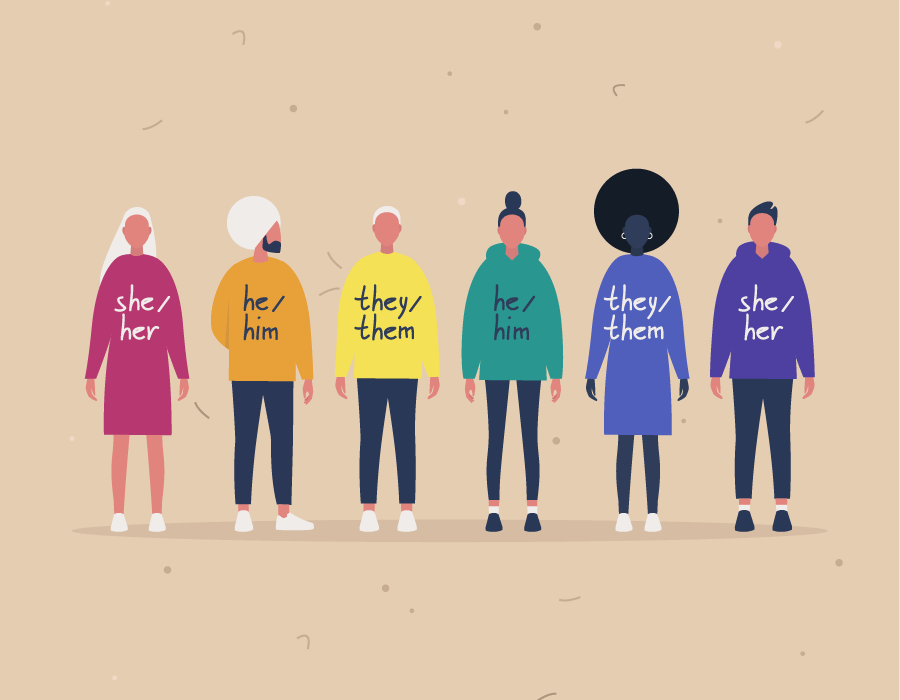
Gender identity refers to how a person identifies themselves. This is different from the sex we were assigned to at birth because it mostly just refers to our anatomical and hormonal distinctions. For example: If you are born female and identify as a female, you are considered cisgender. But if you were born male but identify as a female, you are transgender.
Gender identity may be the same as the sex you were assigned at birth (cisgender) or not (transgender).
Some people identify as a man (or a boy) or a woman (or a girl). And some have a gender identity that doesn’t fit into one of these genders.
- Transgender means your gender identity doesn’t match up with the sex you were assigned at birth.
- Agender means you don’t identify with any gender.
- Gender non-conforming, non-binary, and gender fluid means you don’t identify fully as a man or a boy (male, masculine) or a woman or a girl (female, feminine).
- Gender queer means you identify or express yourself beyond what is often linked to the sex and gender you were assigned at birth. People who are gender queer also may or may not identify as transgender.
GENDER EXPRESSION
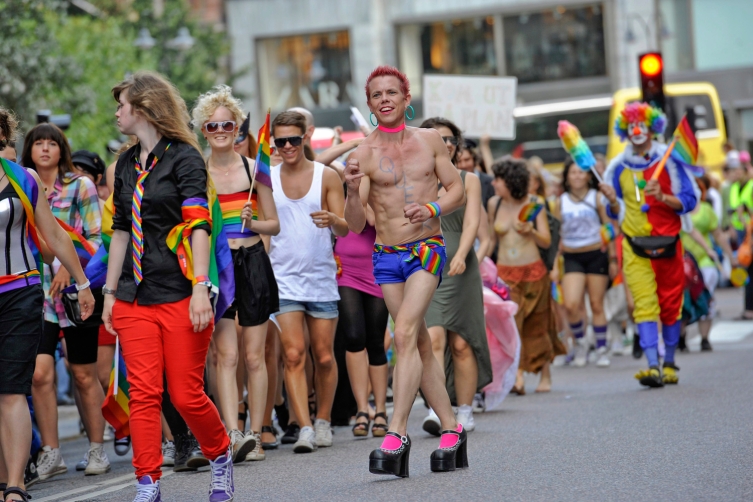
Gender expression can be defined as the external appearance of one’s gender identity, usually expressed through behavior, clothing, body characteristics or voice, and which may or may not conform to socially defined behaviors and characteristics typically associated with being either masculine or feminine.
Gender expression refers to the way that a person presents their gender to the world. How a person dresses can be a form of gender expression, but it can also encompass other aspects of appearance and behavior including hairstyles, body features, interests, body language, voice, pronouns, and mannerisms.
Gender expression may also encompass characteristics that may be described as: masculine, Feminine, Gender-neutral , Androgynous, Gender-conforming, Gender-nonconforming
Behaviors, clothing, and even body language are all social constructs that are labeled as being masculine or feminine. This binary can restrict people from expressing themselves in the way that they want for fear of negative feedback.
SEXUAL ORIENTATION

Sexual orientation is about our physical, emotional and/or romantic attractions to others. Sexual orientation is about who you’re attracted to and who you feel drawn to romantically, emotionally, and sexually. It’s different than gender identity. Gender identity isn’t about who you’re attracted to, but about who you ARE — male, female, genderqueer, etc.
Sexual orientation refers to whom a person is sexually attracted to. If a man is attracted to another man, he is gay; a woman attracted to a woman is a lesbian; if a person is attracted to both genders, they are bisexual; and those who like people regardless of gender are pansexual. Being heterosexual or straight is also classified here.
This means that being transgender (feeling like your assigned sex is very different from the gender you identify with) isn’t the same thing as being gay, lesbian, or bisexual. Sexual orientation is about who you want to be with. Gender identity is about who you are.

There are a bunch of identities associated with sexual orientation:
- People who’re attracted to a different gender (for example, women who are attracted to men or men who are attracted to women) often call themselves straight or heterosexual.
- People who’re attracted to people of the same gender often call themselves gay or homosexual. Gay women may prefer the term lesbian.
- People who’re attracted to both men and women often call themselves bisexual.
- People whose attractions span across many different gender identities (male, female, transgender, genderqueer, intersex, etc.) may call themselves pansexual or queer.
- People who’re unsure about their sexual orientation may call themselves questioning or curious.
- People who don’t experience any sexual attraction for anyone often call themselves asexual.
It’s also important to note that some people don’t think any of these labels describe them accurately. Some people don’t like the idea of labels at all. Other people feel comfortable with certain labels and not others. It’s up to you to decide how you want to label yourself, if at all.
SOGIE BILL
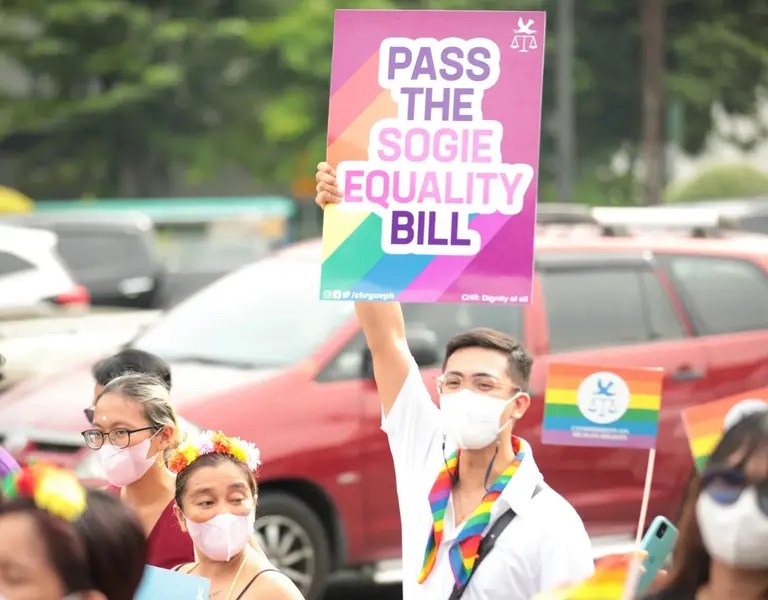
The fight for equality and anti-discrimination for the Lesbian, Gay, Bisexual, Transgender, and Questioning dubbed LGBTQ has existed for more than two decades now. SOGIE bill is one maneuver that seeks to put an end to discrimination and inequality suffered by the minorities in this group.
What does SOGIE bill means?
The law draft identifies a particular set of actions which it deems as discriminatory. Anyone, corporation, or organization that violates them is liable to charges in the court.
Among the activities that are discriminatory according to this bill include;
- Harassment by police or military
- Being denied access to health facilities and other establishments
- Denial or revocation of formal recognition, accreditation, or registration of institution, political party, or organization.
- Revocation or denial of a driving licence.
Being subjected to physical or medical examinations without own consent.
- Being denied admission or expelled by learning institutions.
Promoting stigma among the LGBTQ .
What is the purpose of SOGIE bill?
The aim of this legislation is to protect the Filipinos who are members of the LGBTQ against discrimination.
Why SOGIE BILL is important?
It is important because it advocates for equality and fairness not only to the LGBTQ members but also to every person in the country. It seeks to control the behavior and perception of the general public towards others based on sexual orientation. The LGBTQ members will have access to hospital services and other facilities without fear of discrimination .
By passing the bill, LGBT+ Filipinos will feel recognized that our government does its part to address our rights as a sector. Hence, this can encourage more and more LGBTIQ Filipinos to support government initiatives in addressing pressing social issues.
We cannot disregard the contributions of LGBTIQ Filipinos, especially at the local or community level, in being part of programs such as COVID response, disaster response, public health awareness, social welfare, education, among others.
At the end of the day, passing of the SOGIE Equality Bill is not a discriminatory bill to the non-LGBT believers or allies, but rather, it is a move towards advancing and strengthening the protection of the overlooked members of the societies.
We are all fighting for human rights and the public should not forget that “LGBT rights are human rights!”

 StevenTaayBlogs